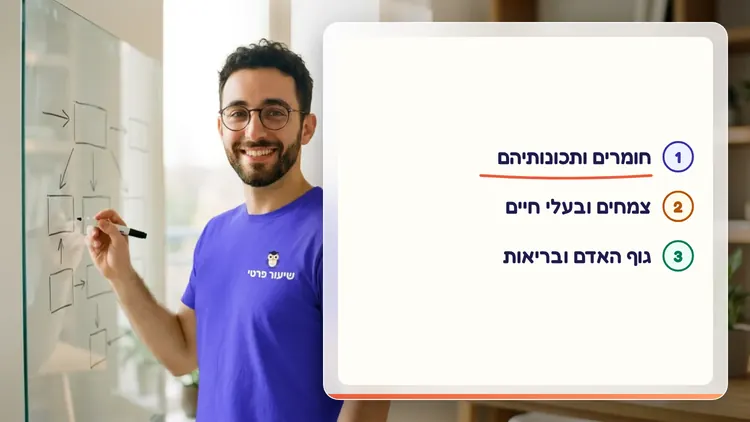
Private Science and Technology Tutor Online with AI
Private Science and Technology lessons with an AI teacher: your child talks with the teacher out loud, and the teacher explains and draws on a shared board, step by step, following what they're learning in class.
Teacher: Noam
- Hebrew, and 5 more languages
- 2 levels: Elementary (Grades 1–6) · Middle School (Grades 7–9)
What you'll learn
- Materials and Their Properties
- Plants and Animals
- The Human Body and Health
- Energy
- Earth and the Universe
- Technological design process
- Structure of matter: atoms and molecules
- Chemical reactions
- The Cell and Body Systems
- Energy and Motion
- Electricity
- Ecology and Environment
- Planet Earth
Related topics
What's included
- Live 1:1 lessons with an AI tutor on a shared board
- Practice and a understanding check in every lesson
- A summary after every lesson, saved in the history
- Computer, tablet or phone
- Hebrew, plus 5 more languages
Course plan
The detailed plan, unit by unit, is on its way. For now, these are the topics at each level, and the teacher builds the order with you in the lesson.
Elementary (Grades 1–6)
- Materials and Their Properties
- Plants and Animals
- The Human Body and Health
- Energy
- Earth and the Universe
- Technological design process
Middle School (Grades 7–9)
- Structure of matter: atoms and molecules
- Chemical reactions
- The Cell and Body Systems
- Energy and Motion
- Electricity
- Ecology and Environment
- Planet Earth
What you need
- No prior knowledge needed for beginner level: the teacher checks what you already know and starts from there
- For higher levels: what you learned at the level before (you can skip it if you already know it)
- A computer, tablet or phone with a microphone, and a browser
Who it's for
- Kids, with a parent who manages the account and gets a summary after every lesson
What you learn in Science and Technology
Taught in: ElementaryMiddle school
Elementary · Grades 1–6
- Materials and Their Properties
- Plants and Animals
- The Human Body and Health
- Energy
- Earth and the Universe
- Technological design process
Middle school · Grades 7–9
- Structure of matter: atoms and molecules
- Chemical reactions
- The Cell and Body Systems
- Energy and Motion
- Electricity
- Ecology and Environment
- Planet Earth
How we teach Science and Technology
Science and technology is taught from Grade 1 through Grade 9, combining questions about the world with designing solutions. In elementary school, kids explore materials and their properties, plants and animals, the human body, and the water cycle, alongside a design process: identify a problem, sketch an idea, build a model, and test it. In middle school the content gets more abstract: atoms and molecules, chemical reactions and conservation of mass, the cell and body systems, simple electric circuits, and food webs. The teacher always starts from a familiar phenomenon in the kitchen or the yard and asks the student to guess what will happen and why. Only after the guess does the teacher organize the concepts on the board, so the definition grows out of understanding instead of being memorized for the test.
A Grade 7 student asks why an iron nail left outside rusts while a stainless steel spoon stays shiny. The teacher draws two cups on the board, one with a nail in water and the other with a nail in oil, and asks which cup will show rust. The child guesses both. The hint: what does water have that oil doesn't? The child works out dissolved oxygen on their own, and then the teacher writes the reaction in words: iron plus oxygen plus water gives iron oxide. Next, the student designs a home experiment with three nails, fills in an observation table the teacher drew, and explains in their own words what the independent variable is and what the control is. The teacher sums up on the board that rust is a new substance and asks whether they think it's a physical or a chemical change. The student reasons it out and corrects their first guess.
The big challenge in science and technology is moving from what you can see to a model you can't: particles, cells, electric current. Kids remember the definition of evaporation but can't explain why a puddle disappears in the sun. In the summary, parents see which concept clicked and which is still confusing, and can ask one question at dinner to reinforce it. That way, learning continues outside the lesson, and questions like why bread gets moldy become part of family conversation.
More courses in this track
Physics
with Noa
Live 1:1 lesson with an AI teacherabout 15 hours24 lessonsHigh School (Grades 10–12)BagrutChemistry
with Noam
Live 1:1 lesson with an AI teacherabout 14 hours23 lessonsHigh School (Grades 10–12)BagrutBiology
with Noa
Live 1:1 lesson with an AI teacherabout 15 hours24 lessonsHigh School (Grades 10–12)Bagrut
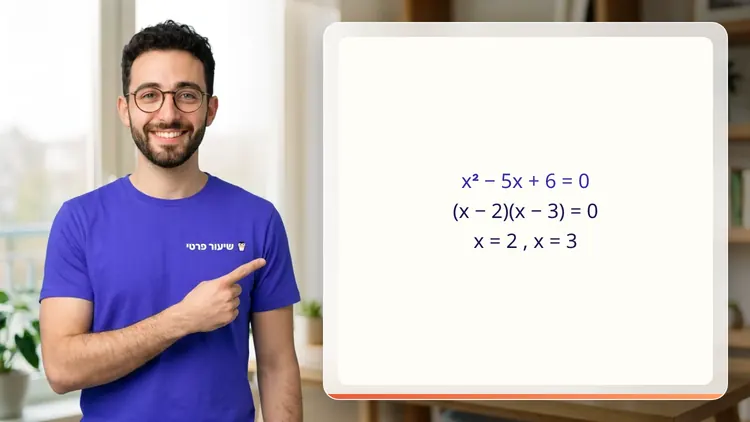
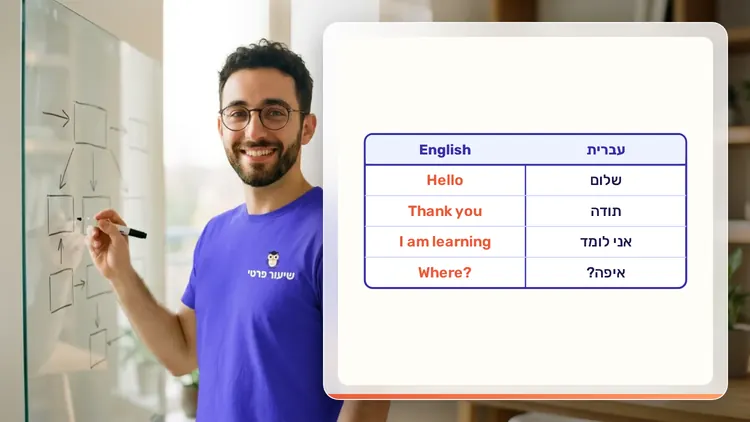
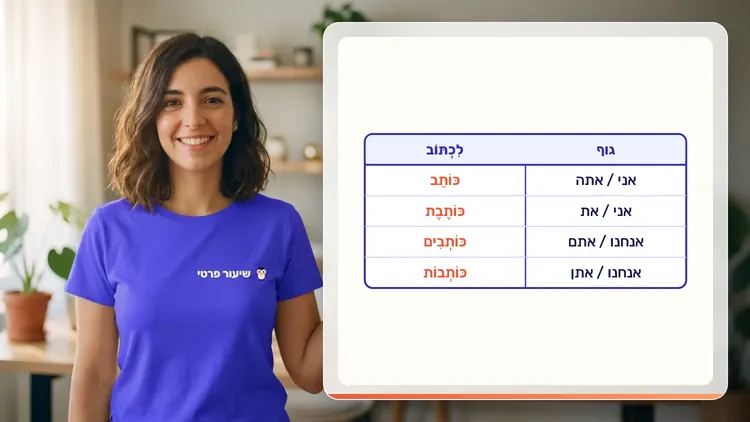
Your teacher
 NoamAI private tutor, in a live lesson on a shared board
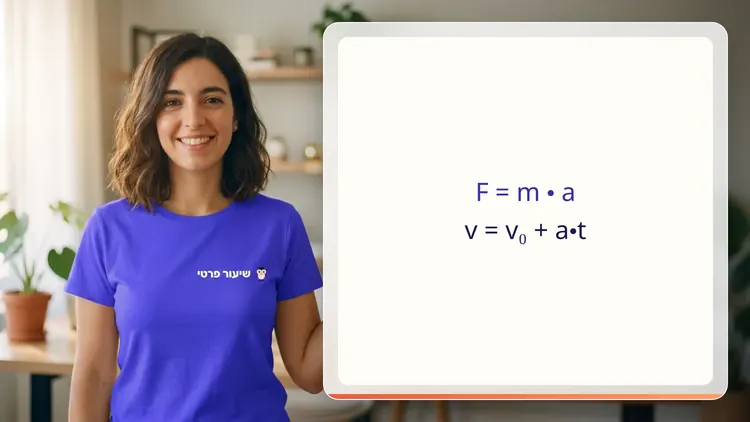
A private AI teacher who teaches in a live conversation: asks, listens, draws on the board, and lets you solve it yourself with hints. Remembers what you've learned and starts each lesson where you left off.
What's a lesson like?
Your child talks with the teacher out loud, like a video call, and asks about anything unclear.
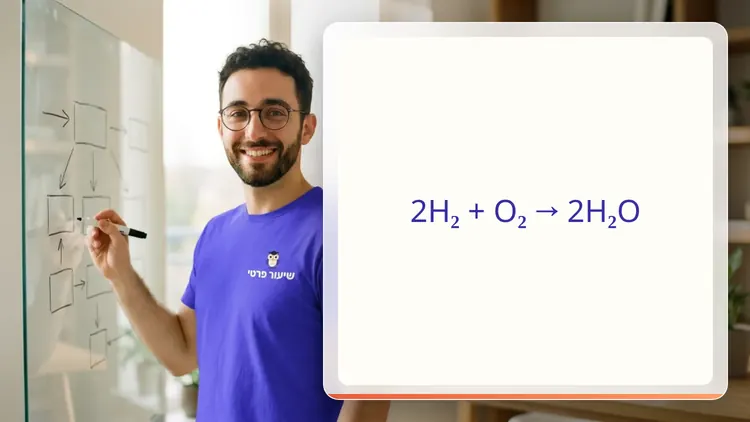
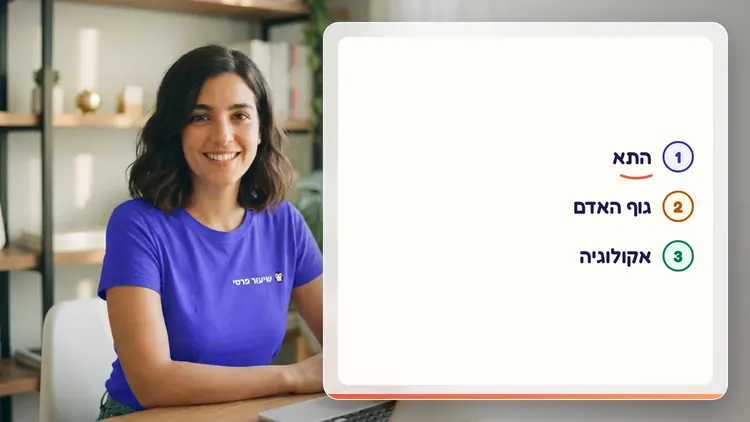
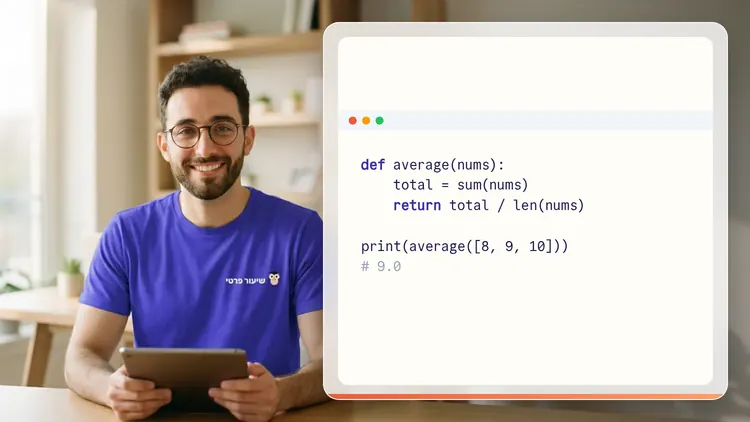
The teacher explains, writes and draws on a shared board, and your child solves along on the same board.
Snap a photo of a worksheet or homework and work through it, one problem at a time.
Parents get a report: study time, what went well and what needs more practice.
Lesson rules
- Just Learning
- Lab Safety
FAQ
- How does a private Science and Technology lesson work?
- Your child picks Science and Technology and a topic, then talks with the teacher out loud. The teacher checks what they already know, explains in a way that suits them, writes and draws on the board, and lets them solve on their own with hints until it clicks.
- Does the teacher help with a research project or a technology design project?
- Yes. The teacher helps phrase a research question that can be tested, pick one variable and keep the rest constant, and build a results table on the board. In a design project, the teacher guides the child step by step: defining the problem, coming up with ideas, sketching, and testing. The student does the actual writing themselves.
- My child mixes up atoms, molecules, and elements. How is this explained in the lesson?
- The teacher draws colored circles on the board: one circle is an atom, two connected circles are a molecule, and if all the circles are the same color, it's an element. Then the student sorts water, oxygen, and carbon dioxide on their own and explains why each belongs in the group they chose.
- How do I start for free?
- Sign in with Google or a code sent to your email, enter your child's name and grade, and the lesson starts right away. Every family gets 45 free lesson minutes in any subject, counted by actual lesson time, with no credit card. Then choose a paid plan and cancel anytime.
- What device do I need?
- Any computer, tablet or phone with a browser and a microphone. You can also install the site as an app on your home screen.
- Can I get help with homework and tests?
- Yes. Snap a photo of a homework page, and the teacher works through it with your child, one problem at a time. Add a test to the test calendar and get a day-by-day study plan leading up to it.
Guides for parents
More subjects
Want to try it?
Sign in, enter your child's name and grade, and the lesson begins. 45 free lesson minutes, no credit card.
Start for freeShiur Prati with AI: what it is and how it works